
Diamond Head can get a little friendly once the gates open. You’ll want the earliest timed-entry slot or the last one, then show up 30 to 45 minutes early with a small pack, tripod, and headlamp. In that first 10 minutes, the lava rock crunches underfoot and the trade wind hums at the rim. Shoot quick bursts and brackets before the bus wave arrives, then stick around for blue hour because…
Key Takeaways
- Book the first 6:00 AM timed-entry on Tuesday–Thursday and arrive 30–45 minutes before dawn to beat tour buses.
- Finish summit shots before 8:00 AM weekdays, since the first bus surge typically hits 1–2 hours after sunrise.
- Alternatively, reserve the last 4:00–5:00 PM entry and shoot through sunset and blue hour when railings often thin out.
- Park 45–60 minutes before sunrise; if the lot is full, use legal Diamond Head Road street parking and walk 5–10 minutes.
- Use burst/bracketing and mask in post to remove passersby; set up fast with a small tripod and pre-focus in low light.
Best Times for Crowd-Free Diamond Head Photos
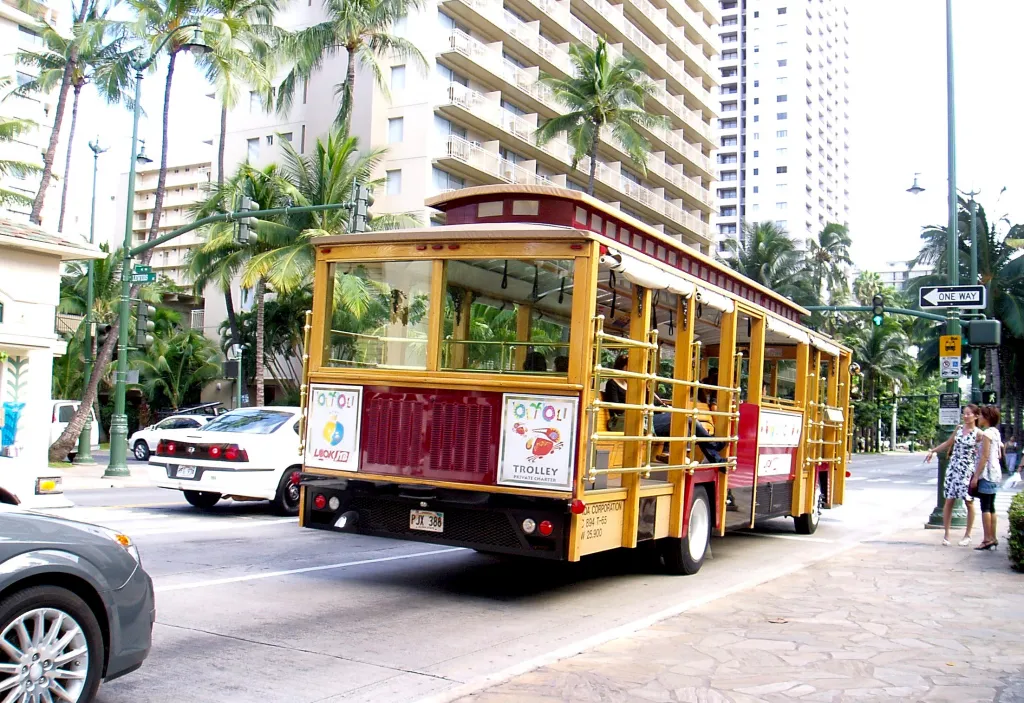
Often, the easiest way to get crowd-free Diamond Head photos is to treat it like a sunrise appointment and show up early. Arrive 30 to 45 minutes before dawn, headlamp on, and you’ll beat the first tourist buses that roll in an hour or two after sunrise. You’ll catch blue hour too, when the crater walls look velvety and Waikiki lights wink. If you’d rather sleep in, the Waikiki Trolley Green Line is a convenient way to reach Diamond Head mid-morning after the earliest rush has passed but before the late-morning crowds peak.
If you miss dawn, come back for the minutes after sunset. The sky slides from orange to magenta to purplish blue as winds hush and the overlooks thin out. Weekday mornings in late fall through winter feel calmer, and stormy clouds can paint dramatic light over the ridge. Walk five to ten minutes past the main rim and find quieter pullouts with fewer people walking. For backup, shoot bursts for a few minutes, then remove stragglers later so your Travel Photos of Tourist Destinations look empty.
Book Diamond Head Entry for Off-Peak Slots
Before you lace up your hiking shoes, lock in a timed-entry ticket for Diamond Head online and let the calendar do some of the crowd control. Book Diamond Head State Monument timed-entry tickets online in advance, because reservations are required and the best windows vanish fast. Pick early morning slots right after the 6:00 AM opening so you can arrive before most visitors and tour buses. If you’re planning to use the Diamond Head trolley during your visit, sync your timed-entry slot with the earliest or latest trolley runs to minimize crowds and maximize your shooting window. If you’d rather chase warm light, grab the last entry window, usually 4:00 to 5:00 PM, when day trippers drift back to Waikiki and the crater walls glow. Scan the official Hawaii State Parks calendar for midweek dates and low season runs, especially September through November. Choose the smallest capacity windows when they appear. Bring your confirmation on your phone or on paper and show up 15 to 20 minutes early. Miss your time and the thing you’ll shoot is the line.
Arrive Before Dawn: Parking, Gates, Headlamps
Show up 30 to 60 minutes before sunrise so you can beat the weekend parking rush and grab a spot at the Diamond Head lot before it fills. Check the gate time, usually 6:00 a.m., and wait near the entrance so you can start hiking the minute it opens while the tunnels still feel cool and quiet. Strap on a headlamp with red light, watch your footing on slick steps, and keep a backup parking plan on Monsarrat or nearby streets so the only thing waking you up is the breeze and a few early birds. Later in the day, you can ride the Waikiki Trolley from Diamond Head toward the scenic Halona Blowhole overlook for more oceanfront photo opportunities without the hike.
Pre-Dawn Parking Strategy
Slip into Diamond Head’s parking lot 45 to 60 minutes before sunrise and you’ll feel the day click on in slow motion. You arrive at the Diamond Head State Monument early. Keep in mind this lot has only 50 to 100 spaces. If it’s full, don’t circle. Park on Diamond Head Road and walk 5 to 10 minutes. You’ll still beat buses that roll in 1 to 2 hours after sunrise. Plan to reach the summit and set your travel photography frame 10 to 15 minutes before first light. Arriving early also supports the state’s efforts to protect fragile and irreplaceable resources by reducing congestion and impacts on the park.
- Check park hours and seasonal sunrise times.
- Bring exact cash or reservation info ready.
- Aim for a close uphill spot first.
- Use street parking to avoid time-wasting loops.
- Set composition 10 to 15 minutes early.
Gates, Headlamps, Safety
If you want that quiet, blue-hour climb at Diamond Head, you’ll need to think about gates, light, and a few basic safety moves. Check gate and trail hours the day before, since maintenance can shift access. Aim to arrive 45 to 60 minutes before sunrise so you can park and start hiking before the first buses roll in. If the main lot by the visitor center is full, grab legal street parking and add 10 to 15 minutes. If you’re coming by trolley, note that the Kapiolani Regional Park stop puts you within walking distance of Diamond Head’s entrance.
Bring headlamps with 200 to 300 lumens for the dark tunnels and stairways, plus a backup light. Hike with a partner, sip water, and pack a light jacket for salty wind. You’ll reach the rim ready for Taking Photos, then drop back down before crowds thicken.
Sunrise Strategy: Shoot Fast Before the Rush
Usually, the best Diamond Head sunrise photos happen before most people have even found their coffee. Get to the summit trailhead 30 minutes before official sunrise so you can start hiking in cool air and near silence. If the lot looks tight, park nearby and add a 10 to 15 minute walk. Move briskly on the 0.8 mile climb and you’ll hit the rim in 20 to 40 minutes, right as gold turns to fire. If you’re planning to ride the Waikiki Trolley later, aim to catch one of the earliest departures so your Waikiki Trolley day stays on track after your sunrise shoot.
- Set up your tripod the moment you arrive.
- Shoot with one camera and keep controls simple.
- Bracket 3 to 5 frames, about -1 to +1 EV.
- Fire a fast burst in the first 10 to 15 minutes of light.
- People generally stay sparse then, so aim wide at the glowing horizon.
When bodies start to appear, switch to a 70–200mm and pick clean slices of Waikiki and Kapiolani Park, below you, ocean hums.
Beat the Tour Buses: When They Arrive
Get there 30 to 45 minutes before sunrise and you’ll hear your own footsteps on the trail before the first buses start unloading about 1 to 2 hours after sunrise. Most groups roll in from 8:00 to 11:00 AM on weekdays and 7:30 to 10:30 AM on weekends, so you’ll want your key shots wrapped before 8:00 AM, and even earlier in winter or holiday weeks. If you can’t make that, plan a later push for 10:30 to 11:00 AM when the lunchbound crowd thins, and remember buses almost never show up for late golden hour so sunset feels surprisingly calm. If you’re staying in Waikiki, pairing this with an early Waikiki Trolley ride helps you avoid both midday heat and peak tour-bus crowds.
Typical Bus Arrival Window
While the sky still holds that soft pink edge after sunrise, the Diamond Head trailhead stays quiet and the crater rim feels like it’s yours. Tour buses often come about 60 to 90 minutes later, and you’ll hear the first doors hiss and guides call roll. You don’t need expensive gear. You need a clock and quick feet. Kahala Lookout along the Waikiki Trolley route offers a quieter vantage point if Diamond Head’s peak gets too crowded.
- Start hiking at opening and shoot the rim within 45 minutes
- Expect the main surge around 8:00–10:30 a.m. on weekdays
- On weekends and holidays it stretches 7:30–11:00 a.m.
- From 10:30 a.m. to 3:30 p.m., groups pack the tunnels and rails
- A smaller wave shows up 90–120 minutes before sunset, so go early or late
If you miss it, shoot tight details and wait the crowd out.
Season And Day Variations
If you time Diamond Head like a local, the buses start to feel predictable. In peak summer and holiday weeks, they roll in thick between 8:30 and 11:30 a.m., and the crater lot turns into a suitcase symphony. Shift your plan with the calendar. For seasonal access, target April to May or September to October, when visitor numbers can drop 20 to 50 percent and the trail sounds like wind and birds. Follow weekday patterns too. Weekends can feel like a line for shave ice. Tuesday through Thursday at sunrise stays calm, especially right after the 6:00 a.m. opening. After sunset, shoot the late blue hour and you’ll often find empty railings and glowing horizons. Always scan updates for trail closures and entry limits. If you’re riding the Waikiki Trolley, consider pairing your early Diamond Head hike with a quieter stop at Punchbowl Crater later in the day for contrasting views and a crowd break.
Buffer Time Before Buses
Arriving early turns Diamond Head into your own open-air studio, before the bus doors hiss and the crater lot fills with rolling suitcases. Get to the trailhead 45 to 60 minutes before the first buses, usually 8 to 9 AM. On weekends, they can show by 7:30, so pad another 30 minutes. Most operators stack arrivals from 9 to 11, so you’ll enjoy 2 to 3 quiet hours after sunrise if you move fast and shoot light on lava rock. Sunset is calmer. Buses leave by mid afternoon, so arrive 60 to 90 minutes before dusk. If you’re planning a full day, you can pair your sunrise shoot with an afternoon exploring Historic Downtown Honolulu via the convenient Red Line routes.
- Check bus scheduling the night before
- Match your start with transit coordination
- Park, lace up, and go
- Keep voices low and pass politely
- Practice shuttle etiquette at stops
Weekdays + Low Season: The Quietest Weeks
Often, the calmest Diamond Head photos happen on a weekday during Hawaii’s low season, especially in late spring (April to May) or fall (September to November). Aim for Tuesday through Thursday for midweek solitude. Your offseason planning pays off with emptier hotels and easier parking in the monument lot. Show up before sunrise and lean into simple sunrise rituals: coffee, headlamp, and a quiet walk under rustling kiawe. Most tour buses and many hikers roll in one to two hours after sunrise, so you’ll hear birds and your own footsteps first. Some visitors pair an early hike with a later ride on the Waikiki Trolley routes that are easy to catch near cruise piers and major Waikiki stops, turning it into a full yet crowd-light photo day.
| When you go | What it feels like |
|---|---|
| Tue–Thu pre-sunrise | Cool air, empty tunnels, calm viewpoints |
| Weekday 1–2 hrs after sunrise | Lines grow, chatter rises |
| Late spring weekdays | Breezy mornings, fewer tours |
| Fall weekdays | Soft light, light traffic |
If you can’t make dawn, try late afternoon into blue hour when crowds thin and the crater turns to silhouettes.
Sunrise Compositions That Minimize People
While the sky’s still navy and the tunnels feel like a secret passage, you can set up sunrise shots at Diamond Head that keep the crowd out of your frame. Arrive 30 to 45 minutes before sunrise so you reach the rim before the first buses roll in. Stand on the western rim or at Leʻahi overlook with the sun behind you, and most hikers look inward instead of into your lens. From here, you can also frame wider scenes that pair Diamond Head with the city below and the nearby Foster Botanical Garden for a layered sense of Honolulu’s landscape.
- Pick a 16–35mm and go wide.
- Fill the bottom with volcanic grit, steps, and foreground silhouettes.
- Hunt reflections puddles after a misty night for extra glow.
- Watch shadow patterns crawl across the crater walls as light shifts.
- Fire brackets or a quick burst for 20–30 minutes, then mask out walkers.
If you want it even quieter, visit on a weekday in late fall or winter and walk one overlook past the main rail and breathe easy.
Sunset to Blue Hour: When the Trail Empties
Get to Diamond Head’s summit about 30 to 45 minutes before sunset, claim your spot, and then don’t pack up when the sun drops. Stick around as the sky fades from orange to magenta to purplish-blue, and you’ll notice the chatter and footfalls thin out fast once that last burst of sunset is gone. Blue hour feels quieter and a little cinematic, and it’s when you can shoot past the peak crowd for cleaner frames. You can also ride the Waikiki Trolley to nearby scenic lookouts and viewpoints for alternative angles of Diamond Head with fewer people in your shots.
Shoot Past Sunset Peak
As the last stripe of sun slips behind the horizon, you’ll see Diamond Head change character in real time. Reach the summit 20 to 30 minutes before sunset, then linger 20 to 40 minutes after as orange turns magenta then purplish blue. Keep your tripod set and use night photography techniques. Shoot 1 to 8 seconds at ISO 100 to 400 and f/8 to f/11. Make long exposure panoramas of silhouetted ridges and the Honolulu skyline. Your color grading workflow will love the clean gradients. Hear the wind and shutters quiet down. If you’re exploring more of the coast by bus, time your hike so you can connect with the Scenic Southeast Oahu Blue Line route after you descend.
- Check last entry and closing time
- Prefocus while you still can
- Use crater rocks up front
- Carry a headlamp for descent
- Wear sturdy shoes and step carefully
Blue Hour Crowd Drop-Off
Stay put after the sunset crowd snaps their last phone photo and starts the downhill shuffle. Wait 30–45 minutes and you’ll feel the trail exhale. In Honolulu, blue hour usually lands 10–40 minutes after sunset, and the sky turns inkier while the rim quiets. Set your tripod 15–20 minutes before peak color, then practice twilight patience as footsteps fade and the wind rasps through iron railings. If you’re staying in Waikiki, time your visit around the Waikiki Trolley Red Line so you can pair a crowd-free Diamond Head blue hour with historic Honolulu highlights later in the evening.
| Do | Why |
|---|---|
| Arrive 30–45 min late | Crowd drops 50–70% |
| Set tripod early | Claim ambient light angles |
| Use 5–10s delay or burst | Let transient silhouettes clear |
Want emptier foregrounds? Go on weekdays or low season evenings, when parking thins fast and you can laugh at how loud your shutter sounds. Bring a headlamp for stairs and pack up slowly.
Pack Light for the Diamond Head Climb
For the Diamond Head climb, a light daypack makes the whole hike feel faster and more fun. Keep it under 10 to 15 liters and aim for 1 to 2 kilos, because the steep 0.8‑mile trail and those 99 steps feel longer when you lug extras. Lightweight packing also helps you slip through narrow sections with both hands ready for rails and rock. Just like when shooting the nearby Halona Blowhole spray, keeping your load lean and your gear protected means you can move quickly and avoid salt and mist on your lenses.
- 1 liter of water, plus a bit more in hot months for your Hydration strategy
- Compact sun hat and sunscreen for the bright rim
- Small microfiber towel for sweat and sea spray
- Phone or camera in a wrist strap or padded pouch
- Mini tripod or gorillapod for Camera stabilization at golden or blue hour
Wear breathable trail shoes and tuck in a thin windbreaker or rain shell. Leave big lenses and bulky gear at your hotel or a locker nearby.
Walk Past the Summit Rail for Space
Push past the summit rail and follow the paved path a few dozen meters to a set of small lookout ledges that most people never notice. Most hikers stop at the rail, so the next clearing feels quiet, with wind in the ironwood and grit under your shoes. For different angles later in the day, ride the Waikiki Trolley to top scenic stops along the coast and capture wider views of Waikiki’s skyline and shoreline. Set your tripod on the natural rock benches or low walls and you’ll get an open 180° sweep of Waikiki and the coast, minus the selfie scrum.
Come in the last 20 to 30 minutes of sunset or stay into blue hour. The horizon stays clean as the crowd thins. Use low light techniques like a steady tripod, a two second timer, and lower ISO. Watch gear safety on the narrower path. Clip straps, shield your lens, and keep space for others. That’s ethical access, and it keeps everyone moving. Pack a headlamp for the uneven steps back down in the dark.
Angles Most Visitors Miss (Rim, Bunkers, Stairs)
Skip the summit rail crowd and work the crater rim instead, because you can hike counterclockwise at sunrise and shoot back into the bowl as the city and ocean glow in soft side light. Use the WWII bunkers as ready-made frames, then set them low in your view with a wide lens so the rough concrete and rivets feel big against the skyline. When you step onto the upper stairs, you’ll spot instant leading lines in the switchbacks and handrails, and if a tour group pops up you can just wait a minute and let the footsteps fade. For an easy base before or after your hike, you can hop off at the Waikiki Trolley stop in Ward Village to explore shops and food without needing to drive or park nearby.
Crater Rim Vantage Points
Along Diamond Head’s crater rim, a few small detours turn the usual summit shot into something with real grit and depth. Show up 30 to 45 minutes before sunrise and walk clockwise so you catch low light and empty foregrounds before the buses roll in. Climb the metal stairs on the eastern rim to reach an eastern lookout where Waikiki sits small against the crater wall. On the southwest rim, work near the concrete pillbox openings for bold lines, rim shadows, and crunchy volcanic textures. If you’re staying in Waikiki, plan to ride the Sunset Trolley route back toward the coast so you can frame Diamond Head in fading golden light after your hike.
- North-facing overlook for quiet layered ridges and ocean
- 24–70mm for wide-to-mid scenes
- 70–200mm to pick details across the rim
- Shift a few steps and bracket exposures
- Mask in post to erase stragglers
You’ll hear birds and your shutter click.
Bunker Windows And Frames
Duck into one of the World War II bunkers near the rim and let its rectangular window do the composing for you. Arrive 30–45 minutes before sunrise and set up inside the opening. Early hikers turn into silhouettes as the sky shifts from orange to magenta. Walk toward the southeast bunkers for fewer tourists. You’ll hear waves and catch lights fading.
Drop low with a 16–35mm lens so the sill adds scale and shows the concrete texture. Center up for window symmetry and watch shadow patterns crawl across the walls. Use a tripod with a 5–10 second delay or remote. Bracket ±1–2 EV and blend later for a bright skyline and dark bunker tones. If people linger, shoot 5–8 frames and mask them out. From these openings you can also frame sunrise over the 200-acre expanse of Kapiʻolani Regional Park, one of Oʻahu’s oldest public parks stretching out below Diamond Head.
Stairway Leading Lines
Before the sun clears the horizon, the rim stairway turns into a clean set of leading lines that most visitors walk right past. Arrive 30 to 45 minutes early and you’ll hear only wind and your shutter. Drop into low angle perspectives on the lower steps with a 16 to 35mm lens so the stairs rush toward the bunkers and rim. Let lava rock walls and concrete edges add leading edge textures in the foreground. Use a tripod in blue hour for 2 to 10 second frames at f/8 to f/16. If hikers sneak in, shoot bursts for a minute and mask them later.
- Aim diagonals to skyline
- Balance rocks with stairs
- Watch for empty gaps
- Try tight staircase abstractions
- Keep ISO low, always
Compose to Avoid Crowds: Tight, High, and Wide
If Diamond Head feels busy the moment you step onto the Leahi Trail, you can still make photos that look calm and intentional. Go tight with a 70–200mm for telephoto isolation. At 100–200mm you’ll compress the crater wall and pick out rough basalt and hardy shrubs, while the rim crowd disappears.
Climb a switchback or pop over to Tantalus lookout. Shoot downward and use foreground framing with lava rock so people at eye level fall away. Then go wide at 16–35mm and work close. Put a fencepost, plumeria, or boulder 1–3 feet from your lens and try diagonal perspectives. At golden hour, line up the glowing horizon to silhouette stragglers. Expose for highlights so they’re just small shadows. If someone still wanders in, grab several frames over 30–60 seconds and blend them with simple masking later for a clean final view. Your legs complain but your frame won’t.
Blur People Away With Long Exposures
Crowd-proof framing gets you far at Diamond Head, but a long exposure can make the busiest overlook feel oddly quiet. Fit a neutral density filter, about 6 to 10 stops, and you can hold 1 to 30 seconds even in daylight. Tourists turn into motion trails or ghostly silhouettes, while the lava rock and ocean stay crisp. Lock your camera on a solid tripod, use mirror lock-up if you’ve got it, and trigger with a remote or a 2 to 5 second timer.
- Expose for highlights so the sky doesn’t blow out
- Use railings, lamp posts, and cliffs as compositional anchors
- Add foreground interest like rough stone or a trail sign
- Bracket 5s, 10s, and 20s to let walkers vanish
- Try blue hour or overcast for smoother blur and richer color
Listen to the surf and click again. When people keep moving, your frame looks magically empty soon.
Remove Crowds in Lightroom/Photoshop (Quick Workflow)
Set your tripod, fire off a quick burst, and let the crowds wander right out of your Diamond Head photo. Shoot 5 to 15 frames over 10 to 30 seconds. Keep the camera locked while hikers shuffle, chat, and crunch gravel. Back at your laptop, select the set in Lightroom Classic, then choose Photo > Edit In > Open as Layers in Photoshop.
In Photoshop, try the fast magic first. Use Auto-Blend Layers with Stack Images and Median, or run File > Scripts > Statistics > Median for clean median stacking that keeps the crater ridges sharp. If a surfer hat or stroller blocks the same spot, switch to stack masking. Add a Layer Mask, paint black to reveal rock below, and zoom to 100 percent. Finish with selective healing or a clone to hide seams. Export a TIFF or PSD, then add contrast and texture in Lightroom.
Frequently Asked Questions
Is a Tripod Allowed on the Diamond Head Trail and Summit?
Yes, you can bring a tripod on Diamond Head’s trail and summit, but you mustn’t block paths and may need to stow it in crowds. Practice tripod etiquette, use gear alternatives, and apply stability techniques.
Do I Need a Permit for Commercial or Drone Photography at Diamond Head?
Yes, you’ll need a commercial permit for paid shoots at Diamond Head. Like a surfer waiting for a set, you can’t just drop in: UAV restrictions usually block drones, while permit exemptions may cover personal/editorial photos.
What Camera Settings Work Best for Shooting Through Summit Haze?
Use f/8–f/16 and shoot RAW; keep ISO 200–400 so you can hold 1/125–1/500s. In low contrast haze causing soft focus, you’ll expose +0.3–1 EV, bracket ±1, use graduated nd and polarizer.
Are There Restrooms or Water Refill Stations Along the Diamond Head Hike?
You’ll find restroom locations at the entry parking/kiosk and near the summit building about halfway in. Water availability is limited: you won’t get trail refill spots, so bring 16–32 ounces yourself before gates close.
How Long Does the Hike Take for Families With Kids or Slower Hikers?
You’ll typically finish in 60–90 minutes round-trip with kids or slower hikers, but plan 90–120 on hot, busy days. Build in short breaks, make pace adjustments, and note limited stroller access on stairs/tunnel sections too.
Conclusion
You’ll get your clean Diamond Head frames by treating time like your best lens. Book the earliest or last slot. Show up 30 to 45 minutes before the gate with a headlamp and a small pack. Shoot hard in the first 10 minutes as the wind hums over the rim and the stairs clack under boots. Diamond Head draws about 3,000 visitors a day, so every quiet minute counts. Then stack shots and let the crowds vanish.
